
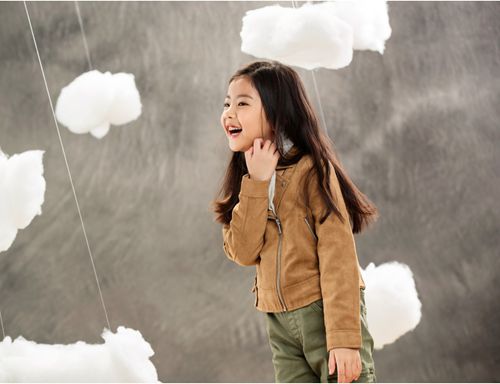
这篇 PSLE 成语辨析文章精选了 4 组高频的“情绪与感受”情境题。这些成语在字典里的解释往往很接近,但在PSLE考试中,程度的轻重、引发的原因、外在的表现,决定了它们绝对不能互换。请让孩子先做出选择,再展开下方的中英文解析,看看真实的判断逻辑。
第一组:心花怒放 vs 欣喜若狂
情境题:
学校举办环保设计比赛,小丽和组员用废旧塑料瓶做了一个能自动浇水的“智能花盆”。公布成绩那天,校长在全校面前宣布她们组获得了特等奖。小丽咬着嘴唇,眼睛笑成了一条缝,心里觉得这几个星期的辛苦全都值了。此时小丽的心情,用以下哪个成语形容最准确?
A)心花怒放——她听到好消息,内心感到无比舒畅和喜悦。
B)欣喜若狂——她高兴到了极点,忍不住手舞足蹈。
答案是?
👉 点击看中英文解析 / Click for EN & CN Analysis
一句话区别:
心花怒放:侧重内心的愉悦和舒畅,通常是因为听到了好消息或遇到了顺心的事,情绪是由内而外散发的。
欣喜若狂:侧重高兴到了极点,甚至表现出外在行为的失控(如大叫、跳跃),程度比心花怒放重得多。
具体解析:
正确答案是 A。这道题考察的是对“情绪有没有表现出来”的判断。题目中有一个关键细节:“小丽咬着嘴唇,眼睛笑成了一条缝”——这说明她虽然非常高兴,但情绪是放在心里的。「心花怒放」正好形容这种内心极其喜悦、舒坦的状态。而「欣喜若狂」中的“狂”字,意味着高兴到控制不住自己(比如在礼堂里大声欢呼、跳起来)。因为小丽没有做出夸张的动作,所以选 A 更准确。选 B 的孩子,往往只看到了“特等奖”这个高兴的原因,却忽略了题目中小丽安静的表现。
English Translation & Analysis:
Key Difference:
心花怒放 (Xīn huā nù fàng): Focuses on inner joy and delight, usually triggered by good news or a favorable event. The emotion radiates from within.
欣喜若狂 (Xīn xǐ ruò kuáng): Focuses on being ecstatic to the extreme, often manifesting in uncontrollable outward behavior (like shouting or jumping). It is much more intense than 心花怒放.
Detailed Analysis:
The correct answer is A. This question tests the ability to judge the “external expression of emotions.” A key detail in the text is: “小丽咬着嘴唇,眼睛笑成了一条缝” (Xiaoli bit her lip, her eyes smiling into a slit). This shows that although she is very happy, her emotions are kept inward. 「心花怒放」perfectly describes this state of immense inner joy and comfort. However, the word “狂” (crazy/uncontrollable) in 「欣喜若狂」means the emotion has been expressed outwardly to an uncontrollable extent (such as cheering loudly or jumping up in the hall). Because Xiaoli did not make any exaggerated physical movements, A is the most accurate choice. A child who chooses B often only sees the reason for happiness (“Special Award”) and ignores Xiaoli’s quiet physical reaction described in the text.
第二组:迫不及待 vs 坐立不安
情境题:
周末,小明一家准备去滨海湾花园参加“无人机灯光秀”。因为听说这次会展示最新型的无人机,小明从早上起床就一直盯着墙上的时钟。他每隔五分钟就去窗口看一看爸爸的车到了没有,一会儿坐着,一会儿又站起来在客厅走来走去,连最喜欢的动画片都看不进去。小明此时的状态,用以下哪个成语形容最准确?
A)迫不及待——他等不及想要马上看到灯光秀。
B)坐立不安——他因为等待而着急、烦躁,无法安静下来。
答案是?
👉 点击看中英文解析 / Click for EN & CN Analysis
一句话区别:
迫不及待:侧重“急迫得不能等待”,重点在于“想要立刻做某事”的急切心情。
坐立不安:侧重“坐着站着都不安稳”,重点在于因为着急或担心,导致身体无法安静,动作很多。
具体解析:
正确答案是 B。题目中给出了非常具体的身体动作线索:“一会儿坐着,一会儿又站起来在客厅走来走去,连最喜欢的动画片都看不进去”——这直接对应了「坐立不安」中“坐也不是,站也不是”的烦躁状态。虽然小明很想看灯光秀,但如果选「迫不及待」,通常句子会强调他“立刻冲出门”或“一直催父母出门”。这道题中,小明的状态更多是因为等待而安静不下来,所以「坐立不安」最贴切。选 A 的孩子,可能只读到了“他很想看”,却没有注意到题目主要描写的是他身体上动来动去。
English Translation & Analysis:
Key Difference:
迫不及待 (Pò bù jí dài): Focuses on being too eager to wait, emphasizing the urgent desire to do something immediately.
坐立不安 (Zuò lì bù ān): Focuses on being unable to sit or stand still, emphasizing physical restlessness caused by anxiety, worry, or boredom. The external manifestation is more obvious.
Detailed Analysis:
The correct answer is B. The text provides very specific physical clues: “一会儿坐着,一会儿又站起来在客厅走来走去,连最喜欢的动画片都看不进去” (sitting for a while, then standing up and walking around the living room, unable to even focus on his favorite cartoon). This directly corresponds to the restless state of 「坐立不安」where one can neither sit nor stand peacefully. Although Xiaoming wants to watch the show, if we chose 「迫不及待」, the sentence would typically emphasize him “rushing out the door immediately” or “constantly urging his parents.” In this question, Xiaoming’s state is more about being unable to stay quiet due to waiting, making 「坐立不安」the most appropriate choice. A child who chooses A might have only read “he really wants to watch it” but failed to notice that the text mainly describes his physical restlessness.
第三组:火冒三丈 vs 愤愤不平
情境题:
在组屋楼下的环保活动中,小华发现邻居叔叔把一大袋没有分类的塑料垃圾,偷偷扔进了可回收垃圾桶里。小华上前提醒,叔叔却不耐烦地说:“小孩子别多管闲事。”小华听了,脸涨得通红,双手握紧了拳头,心里觉得叔叔不仅破坏环境,还不讲道理。小华此时的情绪,用以下哪个成语形容最准确?
A)火冒三丈——他因为叔叔的恶劣态度而瞬间极度愤怒。
B)愤愤不平——他因为遇到了不公平、不合理的事而感到非常气愤。
答案是?
👉 点击看中英文解析 / Click for EN & CN Analysis
一句话区别:
火冒三丈:形容怒气特别大,通常是瞬间爆发的强烈情绪,甚至伴随激烈的外在动作。
愤愤不平:形容因遇到不公正、不合理的事情而感到心中不服、气愤难平。它更多是一种“觉得不公”的持续情绪。
具体解析:
正确答案是 B。这道题考察的是“愤怒的引发原因”。题目中,小华的愤怒不仅仅是因为叔叔态度不好,更是因为他觉得叔叔“破坏环境还不讲道理”——这是一种典型的“遇到不合理事情”而产生的觉得不公平的气愤。「愤愤不平」非常精准地表达了这种“心中不服”的状态。如果选 A「火冒三丈」,通常情境会强调小华直接爆发出来(比如大吼大叫、冲上去抢垃圾袋)。题目中“脸涨得通红,双手握紧拳头”虽然有愤怒的表现,但更多是心里觉得委屈和不平,因此 B 更准确。
English Translation & Analysis:
Key Difference:
火冒三丈 (Huǒ mào sān zhàng): Describes a huge burst of anger, usually an instantaneous, explosive emotion, often accompanied by intense physical actions.
愤愤不平 (Fèn fèn bù píng): Describes feeling extremely angry and resentful due to encountering something unfair or unreasonable. It is more of a lingering emotion of “feeling wronged or unjust.”
Detailed Analysis:
The correct answer is B. This question tests the “cause of anger.” In the text, Xiaohua’s anger isn’t just about the uncle’s bad attitude; it’s because he feels the uncle is “destroying the environment and being unreasonable”—a typical anger born from a sense of unfairness. 「愤愤不平」perfectly captures this state of “feeling unconvinced and resentful of injustice.” If we chose A 「火冒三丈」, the context would typically emphasize Xiaohua exploding directly (e.g., yelling or rushing to grab the trash bag). Although “his face turned red and fists clenched” shows anger, it is more of a suppressed sense of “injustice,” making B the more accurate choice.
第四组:提心吊胆 vs 大惊失色
情境题:
科学馆的“热带雨林体验区”里有一座很高的吊桥。小杰走上去时,低头看到脚下高高悬空的,桥还随着前面同学的走动微微摇晃。他立刻紧紧抓住两边的绳索,屏住呼吸,连眼睛都不敢往下看,生怕自己掉下去。小杰此时的心情,用以下哪个成语形容最准确?
A)提心吊胆——他一直处于害怕、担心的状态,不敢放松。
B)大惊失色——他遇到突发状况,吓得脸色都变了。
答案是?
👉 点击看中英文解析 / Click for EN & CN Analysis
一句话区别:
提心吊胆:形容十分担心或害怕,强调的是一种持续的、悬着心的状态。
大惊失色:形容非常吃惊,脸色都变了,强调的是遇到突然发生的意外时,瞬间的惊吓反应。
具体解析:
正确答案是 A。题目中描写的是小杰走在摇晃的吊桥上“紧紧抓住绳索、屏住呼吸、不敢往下看”的整个过程。这是一种持续感到害怕的状态,完全符合「提心吊胆」中“心一直悬着”的含义。而「大惊失色」需要有一个突然发生的意外(比如桥突然剧烈晃动了一下,或者有人大喊一声),导致他瞬间脸色发白。题目并没有突发状况,只有高度带来的持续恐惧,所以 A 最准确。选 B 的孩子,可能混淆了“持续的害怕”和“瞬间的惊吓”。
English Translation & Analysis:
Key Difference:
提心吊胆 (Tí xīn diào dǎn): Describes being extremely worried or fearful, emphasizing a continuous state of having one’s heart in one’s mouth.
大惊失色 (Dà jīng shī sè): Describes being extremely shocked and turning pale, emphasizing a momentary reaction of fright when encountering a sudden event.
Detailed Analysis:
The correct answer is A. The text describes Xiaojie’s entire process of walking on the swaying suspension bridge: “holding the ropes tightly, holding his breath, and not daring to look down.” This is a continuous state of fear, perfectly matching the meaning of 「提心吊胆」where the heart is constantly hanging in suspense. In contrast, 「大惊失色」requires a sudden, unexpected event (like the bridge violently shaking suddenly or someone shouting), causing an instantaneous paling of the face. There is no sudden event in the text, only continuous fear of the height, so A is the most accurate. A child who chooses B might have confused “continuous fear” with “momentary shock.”
做完这 4 道题之后,看什么?
你可以对照下方表格,看看孩子做错的那道题,主要是忽略了哪个判断线索:
| 错题组别 | 孩子可能忽略的重点 | 家长可以这样引导孩子 |
|---|---|---|
| 第一组 (心花怒放) |
没注意情绪是藏在心里,还是夸张地表现出来。 | “小丽有在礼堂里大叫或跳起来吗?如果没有,说明她只是心里开心。” |
| 第二组 (坐立不安) |
没区分“急着想做”和“身体动来动去”。 | “他很想看(迫不及待),但他是不是一直坐不住、走来走去?这才是‘不安’。” |
| 第三组 (愤愤不平) |
没分清“瞬间大吼大叫”和“心里觉得不公平”。 | “小华是直接打了叔叔,还是心里觉得这种做法不对、不服气?” |
| 第四组 (提心吊胆) |
没分清“一直害怕”和“突然吓一跳”。 | “桥上有没有突然发生意外让他吓一跳?没有的话,他就是一直悬着心。” |
这 4 组成语近义词情境判断题,其实代表了 PSLE 成语语境题最常考的几个维度:外在表现、持续时间、引发原因。
PSLE 成语语境题考的从来不是“这个词你背没背过”,而是“给你一个场景,你能不能判断哪个成语恰好成立”。
所以,只需要让孩子明白:“哦,原来做题时要找准这个线索!” 掌握了这种抓线索的方法,比死记硬背成语词表有用得多。
扩展阅读:
- 6个形容口才很好的成语(Chinese idioms),一起学起来吧?
- 对这种真实情境判断题感兴趣?前往 SnapQ 官网开始体验

#国际中文教师 #中文品牌叙事策划
- PSLE 成语辨析: 4 组高频“情绪与感受”情境题 - 2026-10-18
- MySkillsFuture上的AI课程:我作为内容创作者,可以学什么? - 2026-09-03
- 原来我不是一个人:我终于遇见了肠道里的“小世界” - 2026-08-19